Native Flowers: Best for Bees, Butterflies, Birds, and Other Wild Creatures
Native Flowers:
Best for Bees, Butterflies, Birds, and Other Wild Creatures
Native Flowers:
Best for Bees, Butterflies, Birds, and Other Creatures
Why Native Plants Matter
Healthy ecosystems start with native plants.
Native plants have grown naturally in our region for thousands of years, making them well adapted to local weather patterns and soil conditions. Once established, they generally require less watering and maintenance than many non-native plants.
More importantly, they provide food, shelter, and nesting materials for the wildlife that depends on them—including bees, butterflies, birds, mammals, amphibians, reptiles, and other beneficial insects.
By planting native gardens, or naturescapes, families can help restore habitat while creating beautiful outdoor spaces that are healthier for both people and wildlife. Native gardens also reduce the need for fertilizers and pesticides, saving time, money, and helping protect our environment.
Canada is home to more than 5,300 native plant and tree species, many of which also have important cultural significance for Indigenous Peoples and communities across the country.
Exploring Native Plants with Children
Children naturally notice the small details that adults often overlook. Native plants offer wonderful opportunities to slow down, observe carefully, and encourage curiosity about the natural world.
Here are a few activities to try together.

Introduce Yourself to a Plant
Choose a plant that catches your attention. Before looking it up in a guidebook or online, spend a few quiet minutes simply observing it.
Encourage children to:
- Take some time to look at different plants with your children.
- When you find one that calls to you, sit down, taking care of all that surrounds the plant. Resist the urge to look it up online or in a book…yet.
- Sit quietly, look closely at the plant and what’s around it.
- With your children, speak to the plant– silently or quietly out loud. Greet it and introduce yourself as you would when you meet a new person.
- Tell the plant why you are there and that you would like to get to know it better.
- If you know the plant is not highly toxic or a skin irritant, gently touch the leaves or branches.
- Share anything else you would like to offer.
- When you are finished, give thanks.
References: Owen, Marion. (n.d) How to Communicate with Plants. Retrieved from www.plantea.com
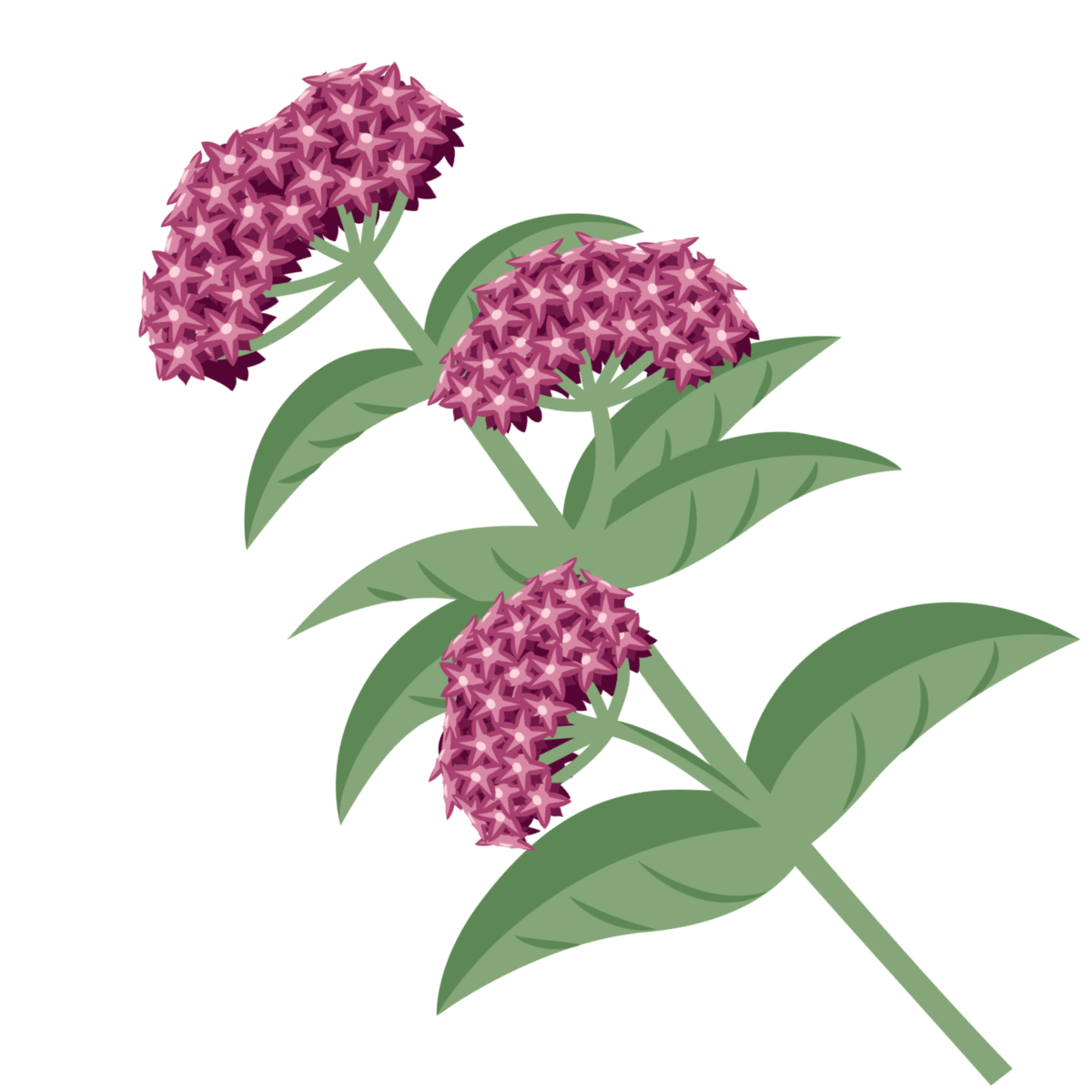
Give the Flower a Name
Invite children to become plant detectives.
Using a magnifying glass, ask them to look closely at the flower and wonder about questions like:
- With a magnifier, look at all the features of the plant. What do you see?
- How does the plant make you feel?
- Where does the plant live? (forest or meadow, sun or shade, dry or wet soil).
- Smell the plant. What does it remind you of?
- Give the plant a name and record it.
Afterward, look up its common and scientific names together and discover how it supports pollinators, birds, or other wildlife.
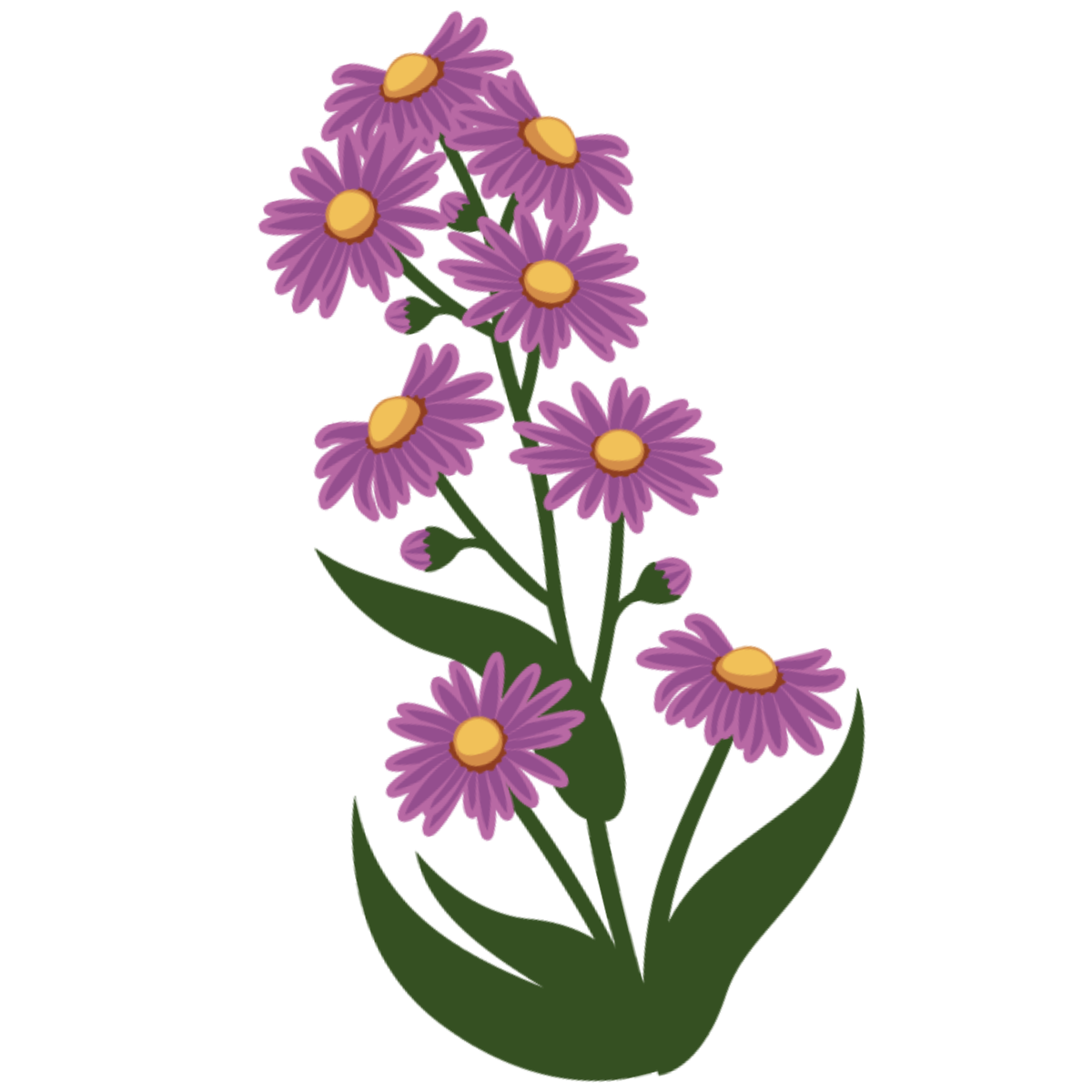
Respect Plants and Play Safe
Engage with plants respectfully. Learn about each before touching them to ensure that they are not toxic or skin irritants, with the knowledge that most do not cause severe harm to humans and harm is rare.
Check out Clean North’s Gardening Guide for Schools and Childcare for more about toxicity.
Grow Native Plants at Home
Growing native plants from seed through winter sowing in containers is easy and fun! It’s a perfect activity for families, youth groups, and seniors. We have lots of information on how to do it and will have seeds available this fall/winter. Subscribe to our e-newsletter (email info@cleannorth.org) to stay informed.
Learn more
Continue exploring native plants with these helpful resources: