Earth Day 2026


Celebrate Earth Day with Plant Pals and Bloom Boosters
Celebrate Earth Day with Plant Pals and Bloom Boosters
A Hands-On Earth Day Experience
Earth Day is an opportunity to reconnect with nature, spark curiosity, and inspire the next generation of environmental stewards. This year, families in Sault Ste. Marie are invited to do just that through a hands-on, educational event focused on two of nature’s most important (and often overlooked) contributors: decomposers and pollinators.
Plant Pals and Bloom Boosters is a family-friendly Earth Day event designed to make environmental learning accessible, engaging, and fun for children and caregivers alike. With interactive activities and simple takeaways, the event highlights how small actions at home can support healthy ecosystems.
Why This Matters
Healthy ecosystems depend on balance. While animals like bears and birds often get the spotlight, it is the smaller organisms working behind the scenes that keep nature functioning.
This event brings attention to:
- Decomposers, which recycle nutrients back into the soil
- Pollinators, which enable plants to grow food and reproduce
Together, these groups play a critical role in supporting biodiversity, food systems, and climate resilience.
Events like this play an important role in shaping how communities think about sustainability. By focusing on everyday actions—like composting or planting native flowers — they help bridge the gap between awareness and action.
For families, it is also an opportunity to spend meaningful time together while learning how to care for the environment.
Earth Day is more than a single event—it is a reminder that small actions add up. Whether it is starting a compost bin, planting a garden, or simply learning something new, everyone has a role to play.
Plant Pals and Bloom Boosters offers a great place to start.
Nature’s Recycling Crew: Decomposers
Decomposers are often called nature’s recycling crew. Organisms like bacteria, fungi, and worms break down dead plants, animals, and organic waste, transforming them into nutrients that help new plants grow.
Did You Know?
- Decomposers range from microscopic organisms to visible creatures like worms and insects
- Some decomposers break down matter chemically, while others digest it
- There are over 2,700 species of worms worldwide
- Worms have five pairs of hearts and breathe through their skin
- Worm castings (their waste) are rich in nutrients and improve soil health
How You Can Support Decomposers
- Start or maintain a compost pile
- Leave leaf litter and deadwood in natural areas
- Reduce soil disturbance (less digging and tilling)
- Minimize chemical use in gardens
- Protect natural habitats


Pollinators: Powering Plant Life
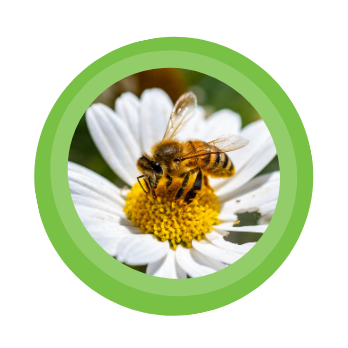
Pollination occurs when pollen moves from one flower to another, allowing plants to reproduce. Pollinators like bees, butterflies, birds, and even the wind make this process possible.
These species are essential. In fact, pollinators are responsible for fertilizing over 75% of the world’s flowering plants.
Did You Know?
- Canada is home to 855 species of native bees
- Native plants provide the best nutrition for native pollinators
- Bees are the only insect that produce food humans eat
- Honeybees can fly up to 24 km/hour and beat their wings 190 times per second
Ways to Support Pollinators
- Plant native, pesticide-free flowers
- Choose plants that bloom across all seasons
- Share knowledge with friends and family
- Create pollinator-friendly spaces at home